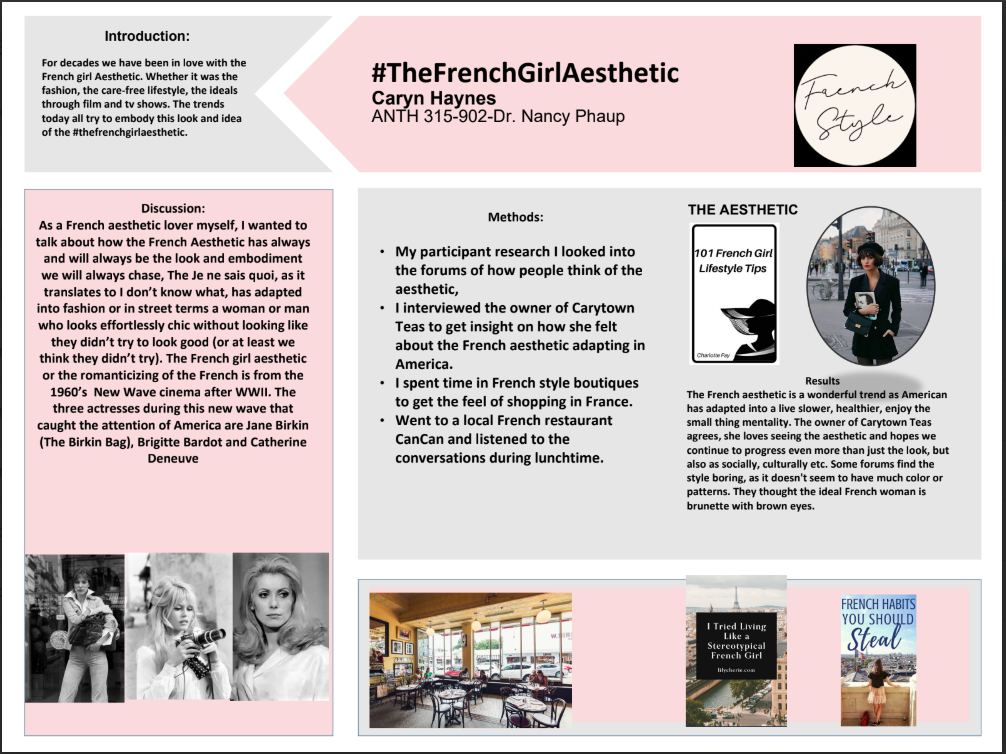
The Ask
Present a mini-ethnography of a particular culture, practice or microculture
Why the French Girl Aesthetic ?
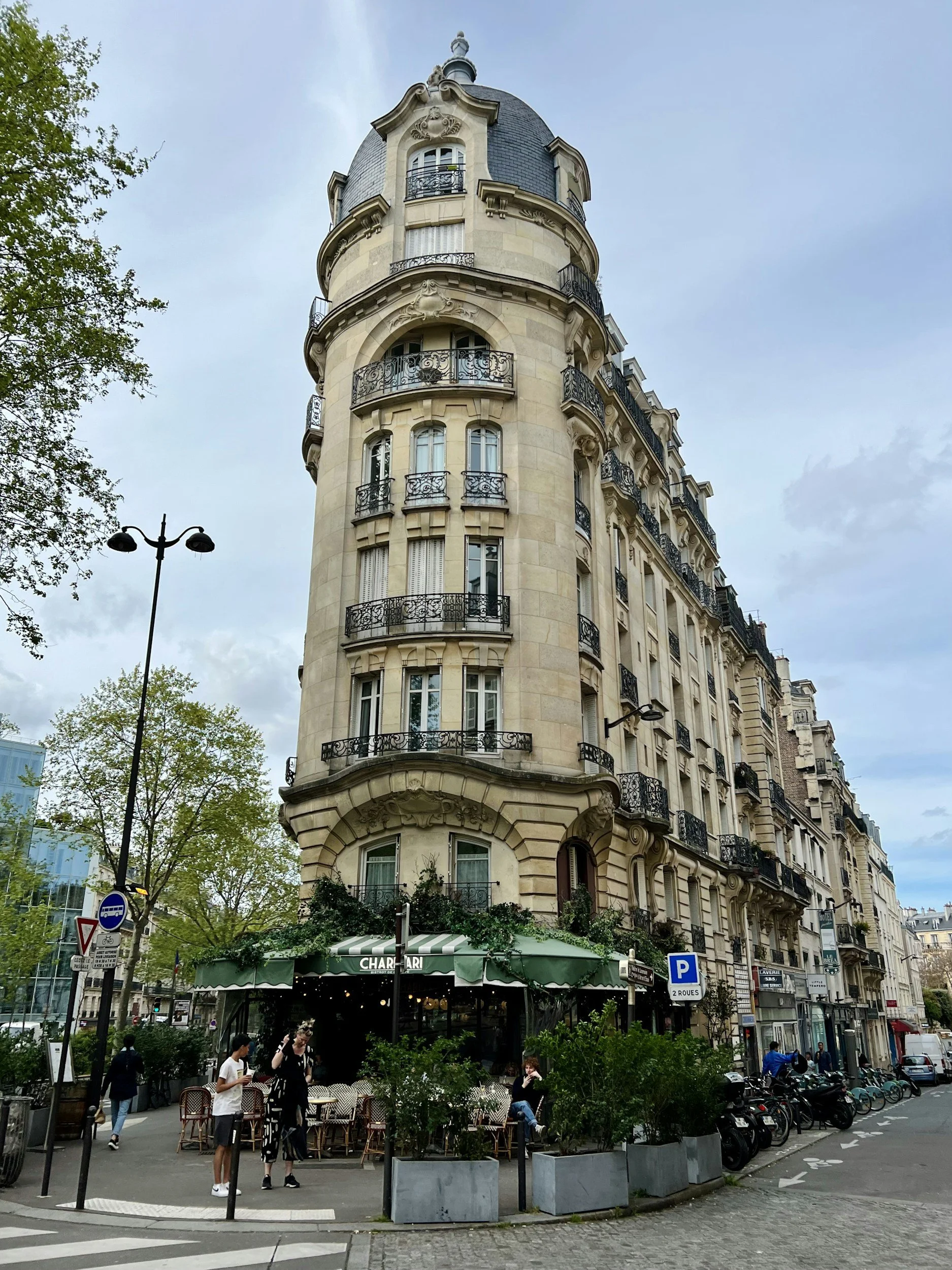
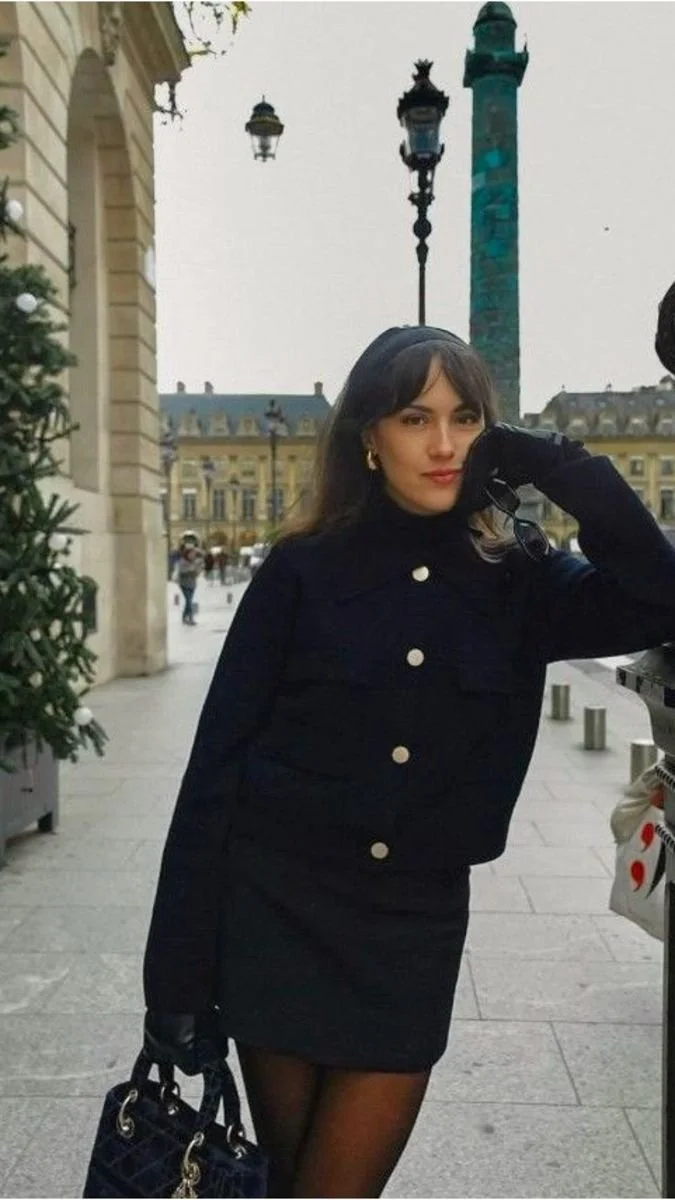
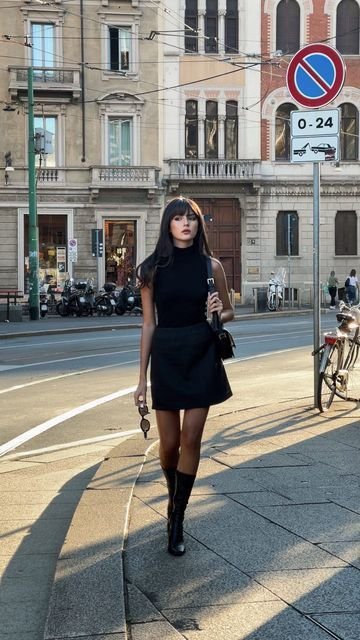
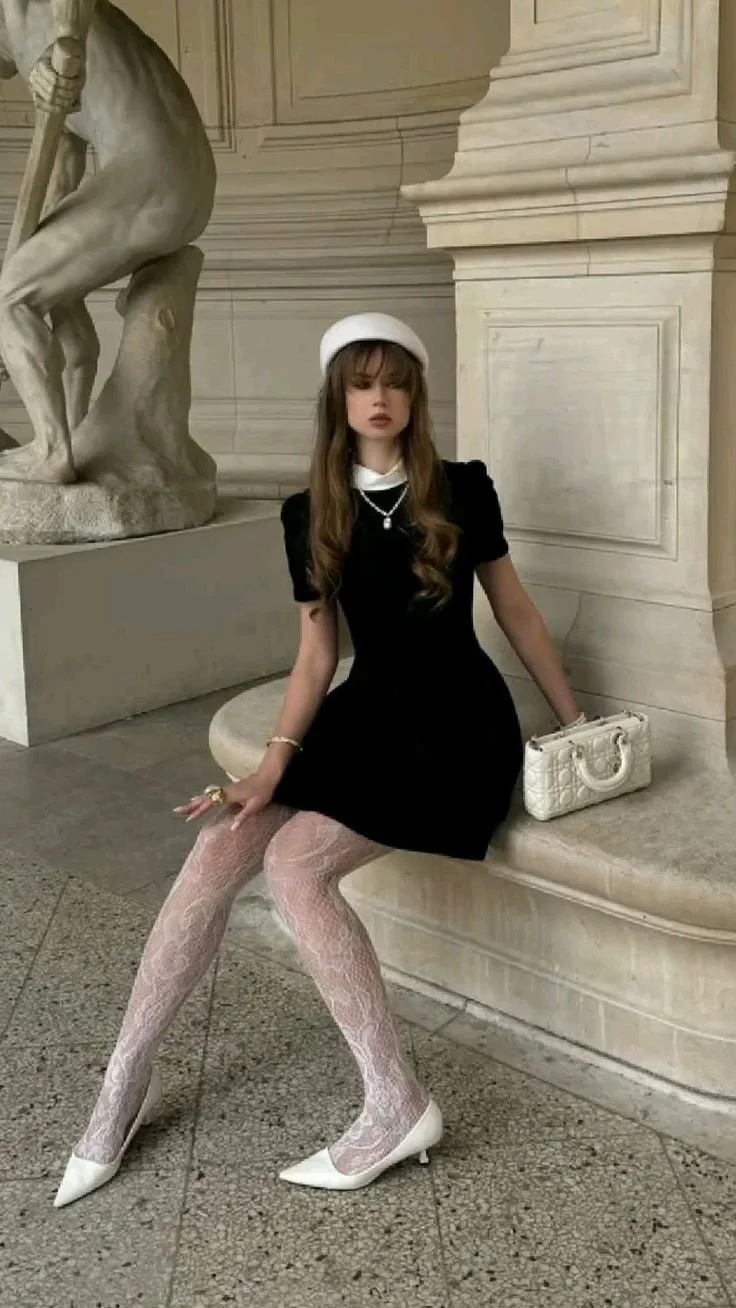
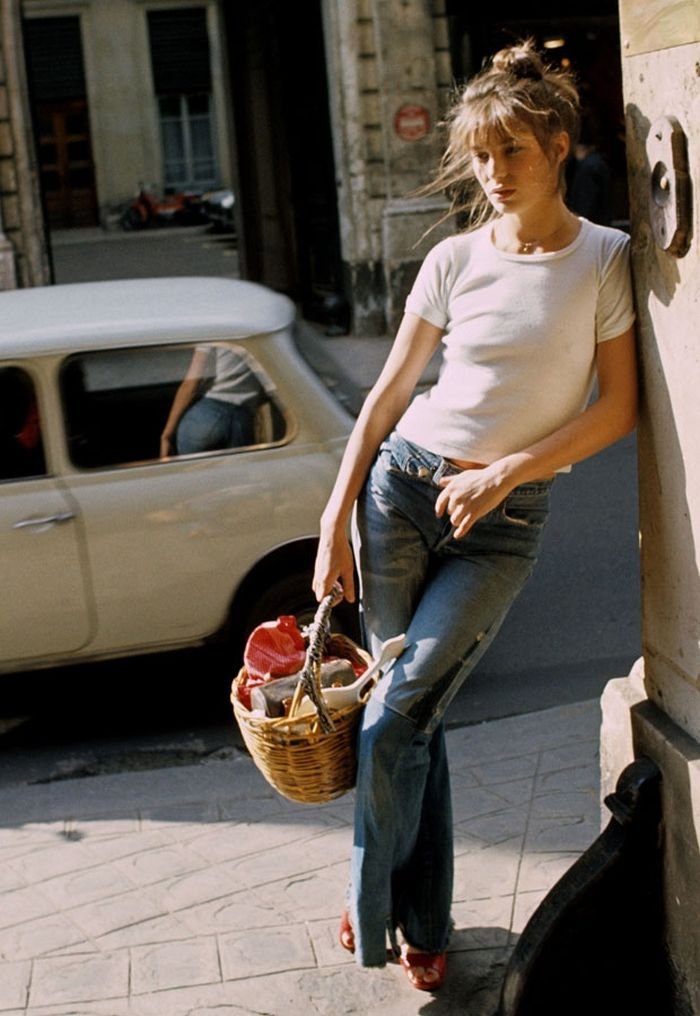
At the time of this project, the #FrenchGirlAesthetic was rampant in social media. Since covid, the slow living lifestyle, being more in tune with yourself and being more present became popular. The FrenchGirlAesthetic is not new, it just gets recycled to a new meaning or new fashion trends. America became obsessed with the FrenchGirlAesthetic around the New Wave cinema beginning in the 1960’s. Which helped spread French fashion and lifestyle.
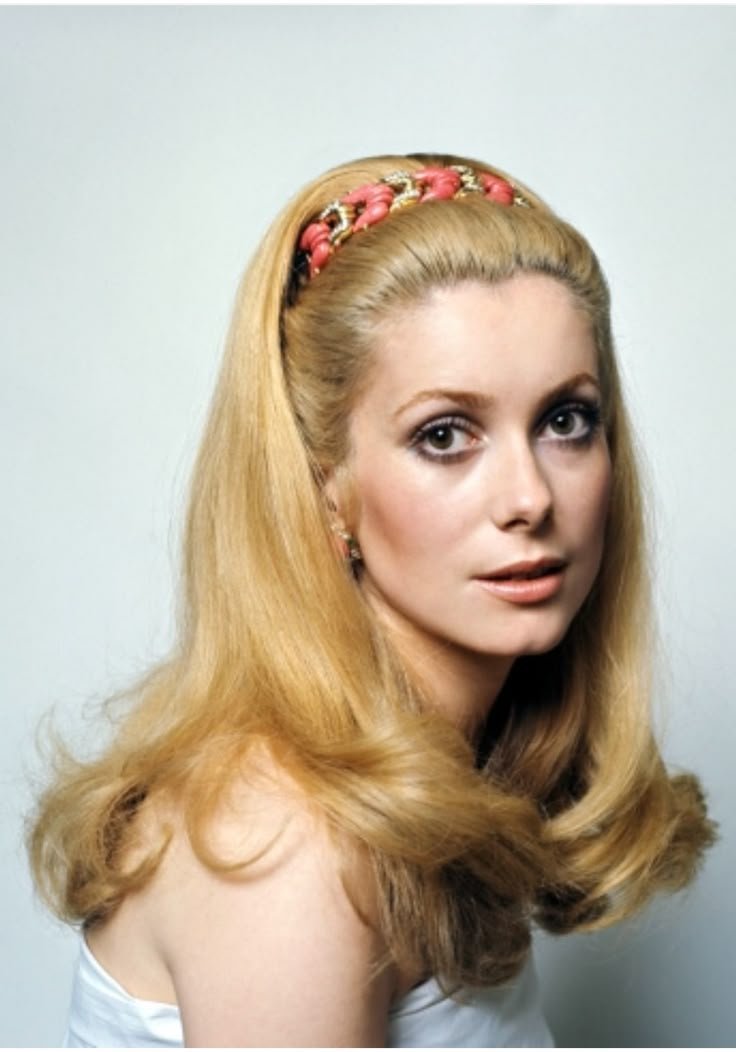
Catherine Deneuve — The embodiment of classic French sophistication, celebrated for her elegance, poise, and legendary film career.
Best known for The Umbrellas of Cherbourg, Belle de Jour, and The Last Metro.

Brigitte Bardot — A bold symbol of 1960s glamour and rebellious beauty who redefined sensuality and confidence.
Best known for And God Created Woman, Viva Maria!, and Une Parisienne.

Jane Birkin — Effortless style icon known for her artistic spirit, timeless fashion influence, and understated French chic.
Best known for Blow-Up, Death on the Nile, and Evil Under the Sun.
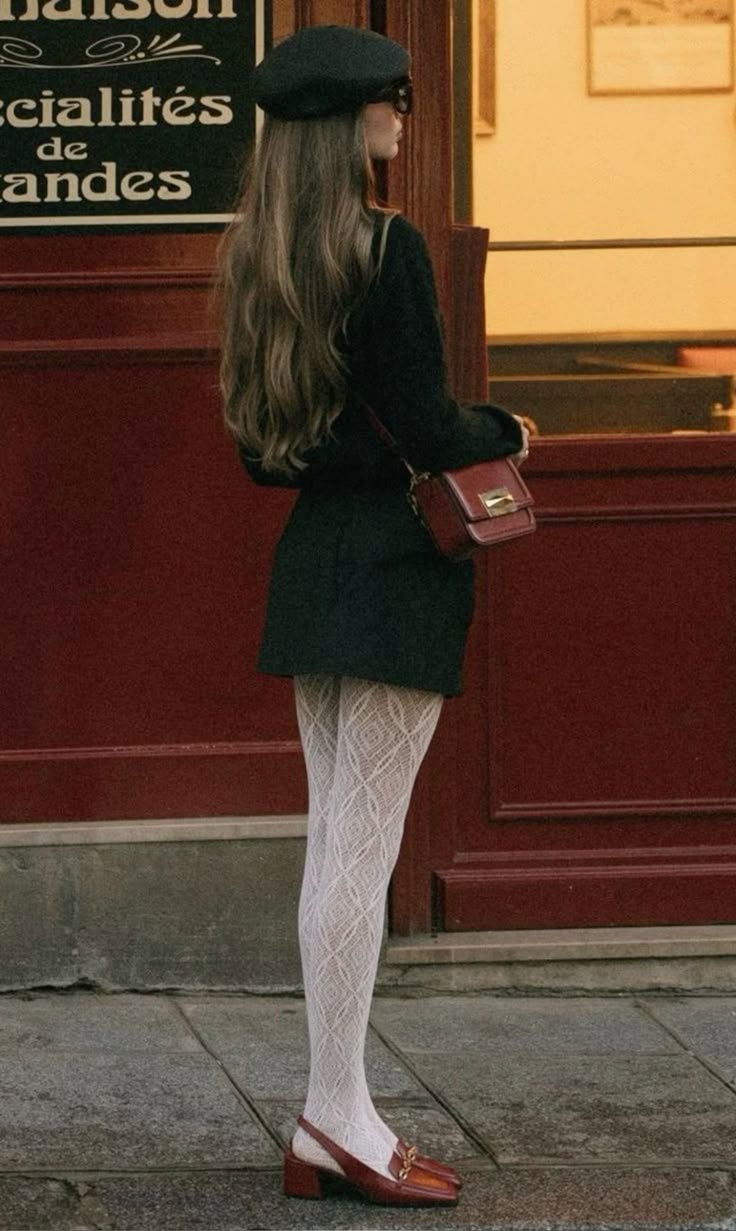
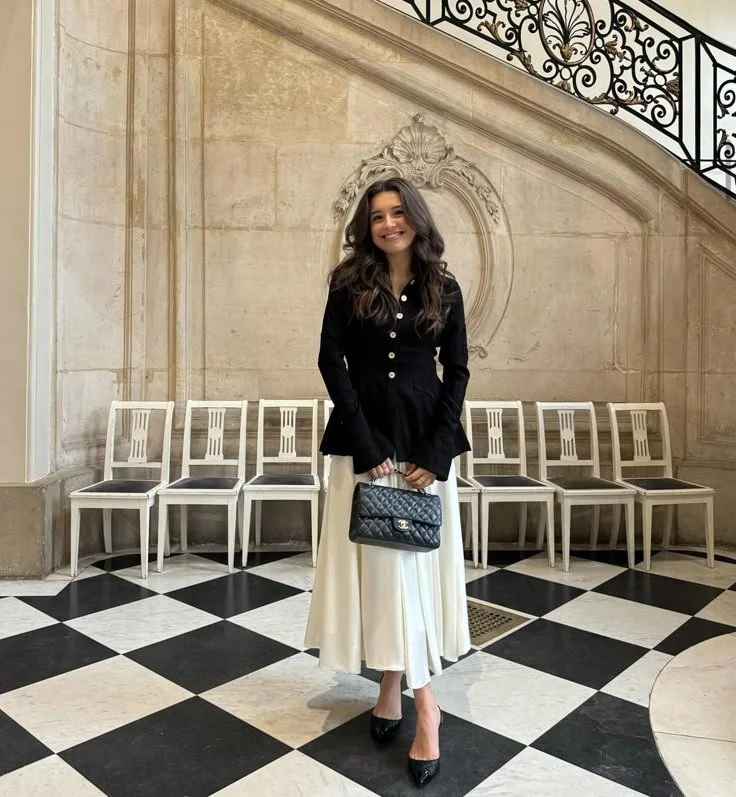
#FrenchGirl
Aesthetic
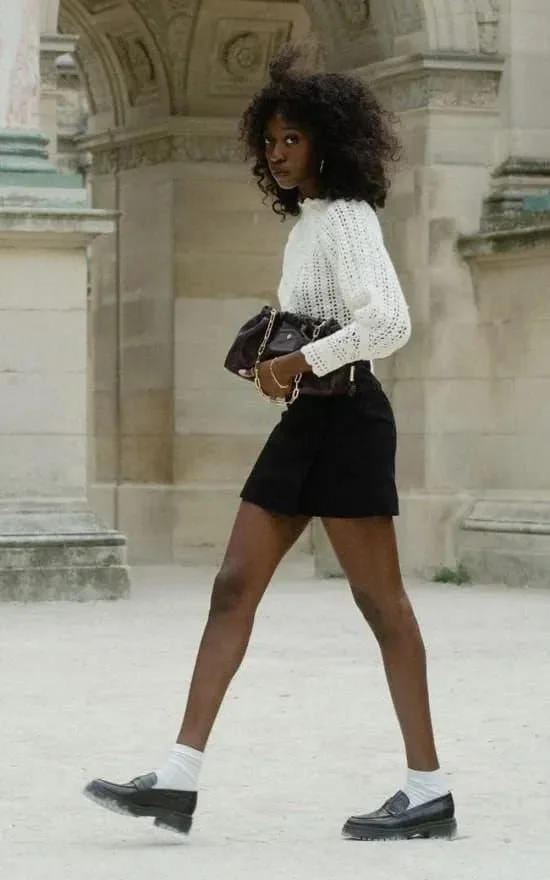
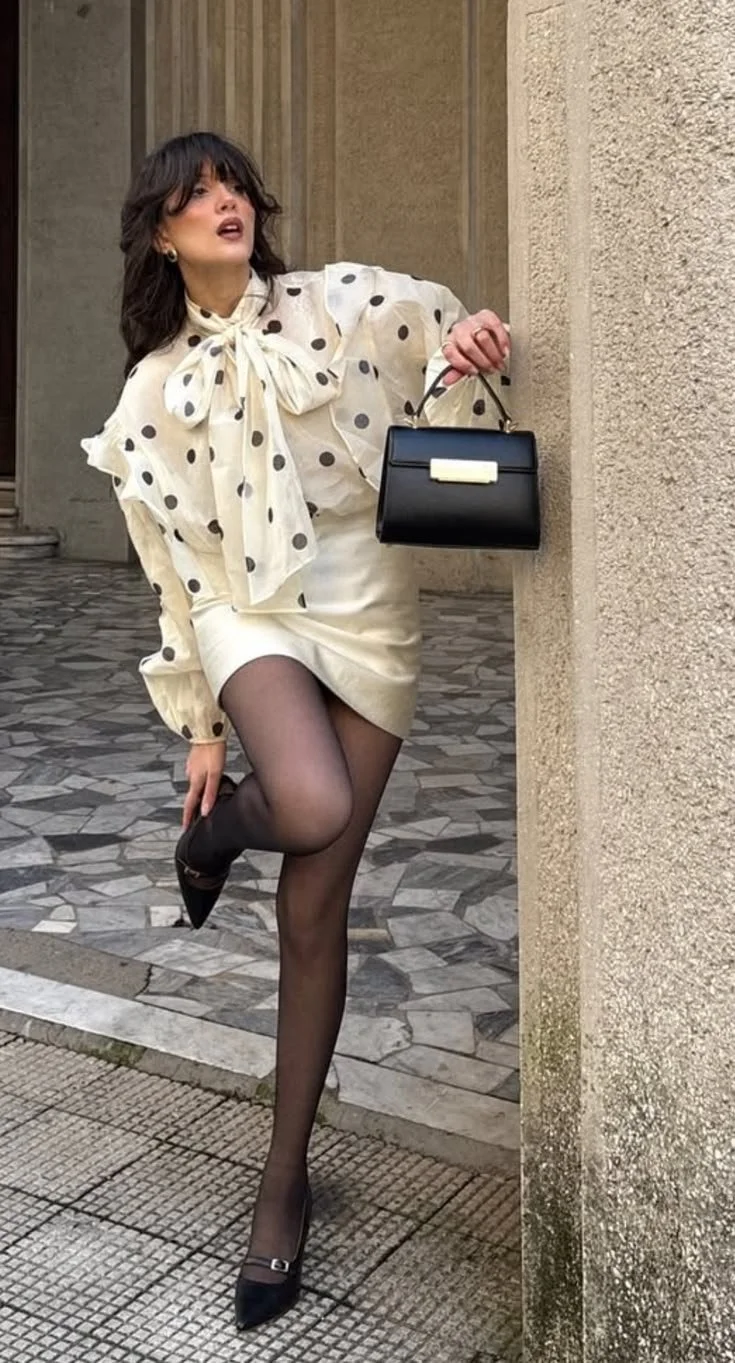
The whole idea of the “French girl aesthetic,” or even just how we romanticize French style, really goes back to the 1960s during the New Wave cinema era after WWII. That’s when it started to become this global thing. Actresses like Jane Birkin, Brigitte Bardot, and Catherine Deneuve caught America’s attention and basically set the tone for what we still see as timeless, effortless beauty today.
Interviewing + Social Listening
Ethnography research + observation
The Skills
Consumer behavior analysis
Research
Storytelling through observational data
Documentation
Insight development from real-world environments
Cultural observation
Field observation + note taking
The Result
The research revealed that many Americans are drawn to the French girl aesthetic as a form of escape from fast-paced, trend-driven, and often performative beauty standards. The appeal lies in its perceived simplicity, confidence, and “less is more” approach to style and lifestyle. It represents a slower, more intentional way of living that feels both aspirational and attainable. This explains why the aesthetic continues to be idealized—it offers a sense of effortlessness that contrasts with American culture’s emphasis on excess and visibility.